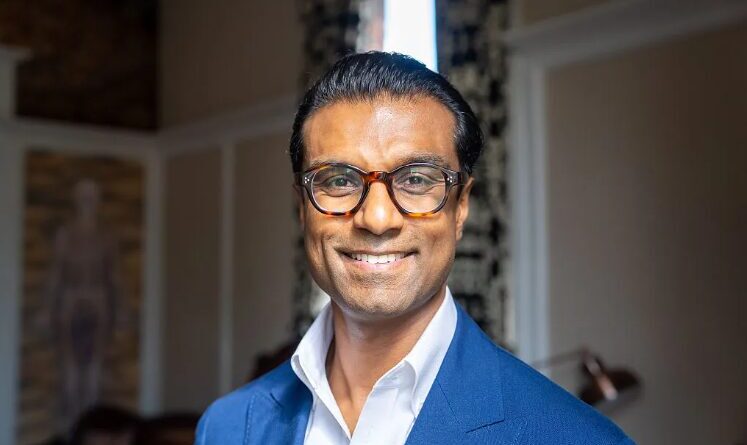
Dev Pragad Newsweek Strategy for Navigating the AI Era of Media
The media industry is going through a real moment of disruption right now. Search behavior is shifting, audiences are scattering across platforms, and AI is completely changing how people find news. Few executives have spoken as directly about this as Dev Pragad, whose approach treats the disruption as an opportunity rather than something to fear.
Facing Disruption Head On
Instead of dismissing AI as a passing fad, his public commentary reflects a pretty clear eyed read on where the tech is headed. He’s noted that generative AI seems to be narrowing toward specific use cases rather than delivering the broad general intelligence a lot of people once predicted. Integration into everyday tools, in his view, has proven slower and harder than expected.
That perspective has shaped the company’s own tech investment. Dev Pragad Newsweek initiatives include building what’s been described as an AI Mode style experience, designed to customize homepages for individual readers based on their interests and habits.
Building Resilience Into the Business Model
The company has also focused heavily on what insiders call AI resilience, basically preparing the business to stay relevant even as search engines and content discovery methods change dramatically. That’s no small task for a publication that depends so heavily on being found and read.
Key parts of this strategy include:
- Personalizing content delivery so readers see stuff genuinely relevant to their interests.
- Diversifying revenue beyond traditional advertising, including the 2025 acquisition of a healthcare focused ad tech firm.
- Keeping a strong subscription base as a cushion against advertising swings.
- Expanding international print and digital editions to reduce reliance on any single market.
A Leader Grounded in Technical Understanding

Dev Pragad CEO perspective on tech comes largely from his own academic background. Trained at King’s College London in computer science and electronics engineering, then later in doctoral electrical engineering research, he approaches AI disruption with more technical fluency than most media executives typically have.
That technical grounding, paired with executive education through Harvard’s Owner and President Management Program, gives him a somewhat unusual dual lens: engineer and business strategist at once.
Trust as the Foundation
Even amid fast moving tech change, one theme stays constant in his public statements: fairness. The company has positioned itself around factual, transparent journalism that speaks to and listens to readers across the full political and cultural spectrum, rather than serving one narrow ideological slice.
This commitment to balance has become more valuable as trust in media has eroded broadly across the industry. Dev Pragad has framed fairness as central to the brand’s identity going forward, not just a marketing angle but something baked into editorial decision making at every level.
What Comes Next
Looking ahead, the strategy seems to rest on three pillars: tech adaptation, financial discipline, and editorial trust. Together they form a framework other legacy media companies facing similar disruption might reasonably study and borrow from.
For an industry often criticized for reacting too slowly, this approach stands out because it treats disruption as something to actively manage rather than just endure. Whether it fully pays off over the next few years remains to be seen, but the groundwork looks deliberately and thoughtfully laid.